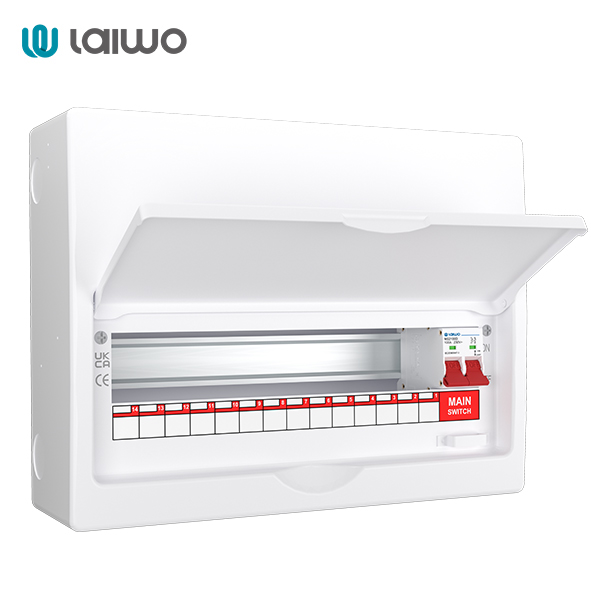
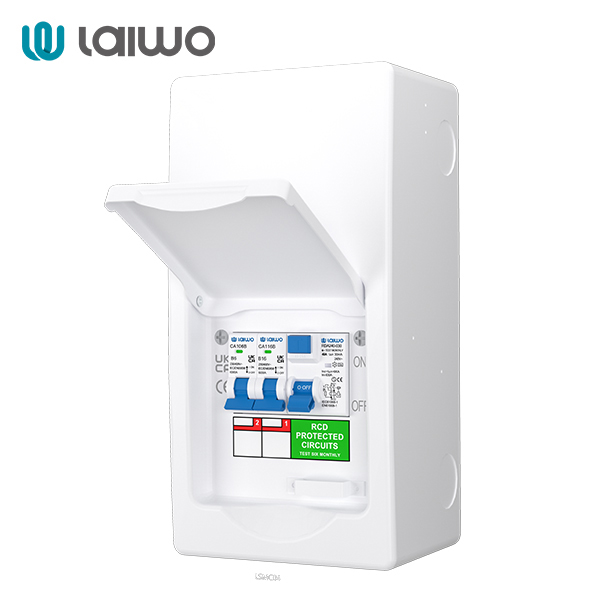
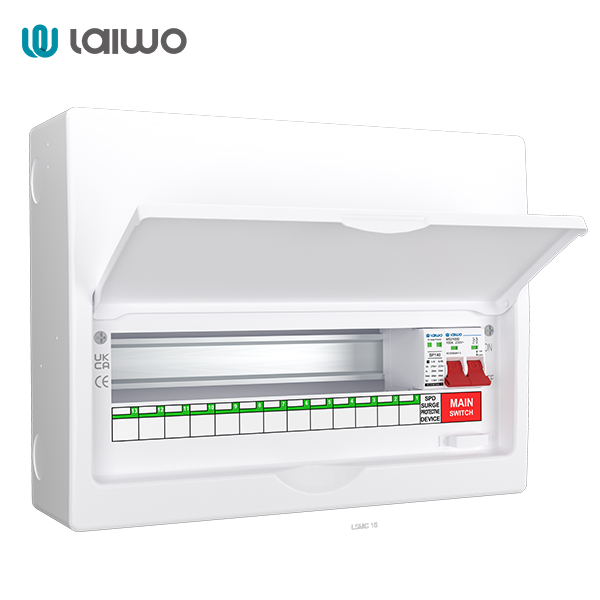
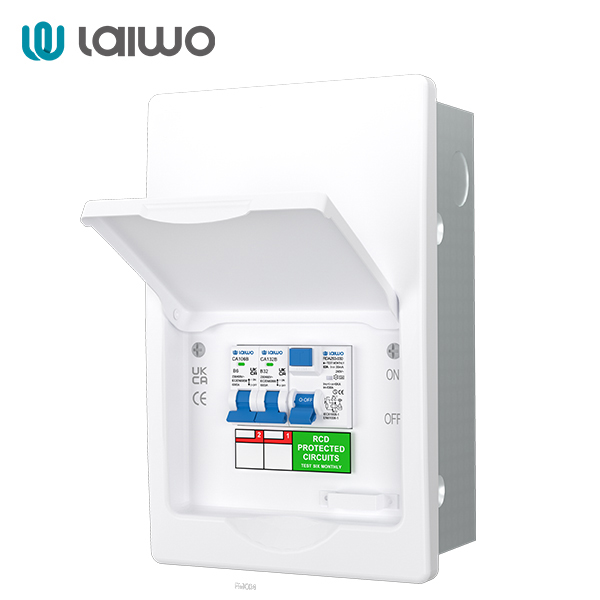
Next: Top 5 Distribution Boards Electricians Prefer in 2025 (Based on Installation Experience)



In the complex ecosystem of modern electrical distribution, the humble circuit breaker remains the absolute cornerstone of safety and functionality. For the seasoned electrician, however, a circuit breaker is far more than a commodity item found on a specification sheet. It is a critical component that dictates the pace of installation, the reliability of the system, and ultimately, the safety of the end-user. As we move into 2025, the demands on distribution boards have evolved, with tighter spaces, higher load requirements, and stricter compliance standards becoming the norm.
Electricians on the front lines prefer robust, easy-to-install, and compliant breakers not just for their technical ratings, but for their tangible impact on workflow. A well-designed breaker reduces installation time, minimizes the risk of costly callbacks, and ensures that safety protocols are met without struggle. This article delves into the top five circuit breakers that professionals are choosing in 2025, evaluating them through the lens of those who actually wield the screwdrivers and torque wrenches: the installers.
To the uninitiated, one circuit breaker might look much like another. However, for the professional electrician, the subtle nuances in design can make the difference between a profitable, smooth job and a frustrating, labor-intensive nightmare. The choice of breaker affects every single step of the installation process and has profound implications for long-term system reliability.
The primary function of any circuit breaker is protection. Breakers must be sized and rated correctly to handle potential fault currents without catastrophic failure. If a breaker has the wrong breaking capacity or rating, it can fail under fault conditions, leading to fires or equipment damage. Electricians are trained to meticulously match ratings to system fault levels and specific load demands. In 2025, with arc fault detection and surge protection becoming more integrated, the "standard" breaker must adhere to rigorous safety standards (such as BS EN 60898 or BS EN 60947 series). Professionals gravitate towards brands and models that offer transparent, reliable datasheets and certification, ensuring they never have to second-guess the safety of an installation.
Time is money in the electrical trade. The physical characteristics of a breaker directly impact how quickly a distribution board can be populated and terminated. Factors such as the quality of the DIN-rail clip, the size of the terminal cage, and the ease of accessing screw heads all play a vital role. Does the breaker sit flush? Is there enough room for your fingers to guide a 16mm² cable into the terminal? Can you use a standard comb busbar, or does it require proprietary links? These practicalities determine how efficiently an electrician can work, especially in cramped retrofit scenarios.
A breaker’s job isn’t done once the panel cover is screwed on. Components with higher mechanical and electrical endurance ratings reduce the likelihood of mechanical seizing or contact welding over time. Electricians prefer installing products they can "fit and forget"—not in the sense of neglecting maintenance, but in the confidence that the device won't require a warranty service call within six months. High-quality internal mechanisms that resist wear ensure that the breaker performs just as well on its thousandth operation as it did on its first.
Finally, there is the intangible "feel" of a quality product. Electricians evaluate breakers based on tactile feedback: the solid "snap" when it locks onto a DIN rail, the firm resistance of a terminal screw biting down on a conductor without stripping, and the decisive click of the toggle switch. Flimsy plastics and loose tolerances are immediately noticeable and are often a precursor to installation headaches. In 2025, the preference is heavily skewed towards devices that feel substantial and robust in the hand.
Learn More: RCBO vs MCB + RCCB: What's More Practical for Electricians?
To provide a truly valuable list for 2025, we moved beyond the glossy marketing brochures and focused on the metrics that matter on the job site. Our evaluation methodology is rooted in the daily realities of electrical contracting.
Installation Space & DIN Rail Fit:
We assessed how easily these breakers clip onto standard DIN rails. We looked for secure locking mechanisms that don't wiggle or slide once positioned. We also considered the physical footprint—crucial when managing multiple breakers in tight consumer units or crowded industrial panels.
Neutral & Earth Bar Layout Impact:
A breaker doesn't exist in isolation; it must harmonise with the rest of the board. We evaluated how these models affect cable routing. Breakers that allow for clean, organised wiring paths to neutral and earth bars are highly prized, as they reduce the "spaghetti" effect inside the board and make future fault-finding significantly easier.
Cable Entry Design:
The terminal design is perhaps the most frequent point of interaction. We looked for breakers with wide, accessible cable entries that can accept a broad range of conductor sizes (from 1.5mm² lighting circuits to heavier sub-main cables). The ability to handle both solid and stranded conductors securely, without damaging the insulation or strands, was a key factor.
Typical Use Cases in the Field:
We considered the versatility of the breakers across different environments—domestic consumer units, commercial distribution boards, and industrial three-phase panels. Real installers need products that are adaptable to the specific demands of these varied sectors.
Based on the criteria above, here are the top five circuit breakers that professional electricians are reaching for in 2025. These selections prioritise the installer's experience, reliability, and practical application.
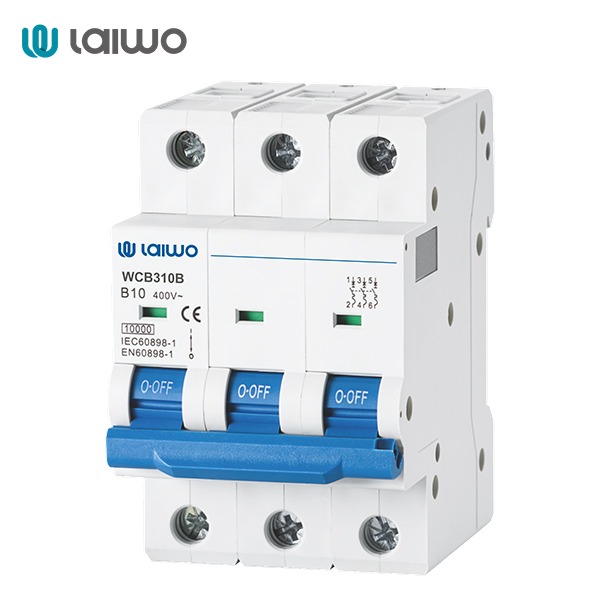
On the job:
The WCB series of Miniature Circuit Breakers (MCBs) has cemented its place as the workhorse of the industry. Electricians favour these MCBs because of the comprehensive range of current ratings available, typically spanning from 6A to 63A. Furthermore, the availability of multiple pole options (1P, 2P, 3P, 4P) means that a single product line can be stocked in the van to cover everything from simple domestic lighting circuits to three-phase motor feeds.
Field benefit:
With a rated breaking capacity of up to 10 kA (and typically 6 kA for domestic variants), the WCB series provides robust short-circuit protection suitable for the vast majority of low-voltage installations. For the specifier or the installing electrician, this removes the hesitation of "is this rated high enough?" for standard commercial and residential jobs. It simplifies the procurement process significantly.
Installation feel:
The standout feature for installers is the consistency of the DIN-rail clipping mechanism. It offers a smooth, audible click that assures the user the device is seated correctly. The terminals are designed to accommodate standard busbars and cables simultaneously, which is a massive time-saver when dressing a board. The availability of standard thermal-magnetic tripping curves (Type B, C, and D) allows electricians to easily match the breaker to the load characteristic—using Type B for resistive loads like heating and lighting, and Type C for inductive loads like small motors or fluorescent lighting arrays.
Real installer concern:
Reliability is key here. The WCB series is noted for high mechanical life and stable performance across varied ambient temperatures. This stability translates directly to fewer nuisance trips and, consequently, fewer unpaid callbacks to investigate "phantom" faults.
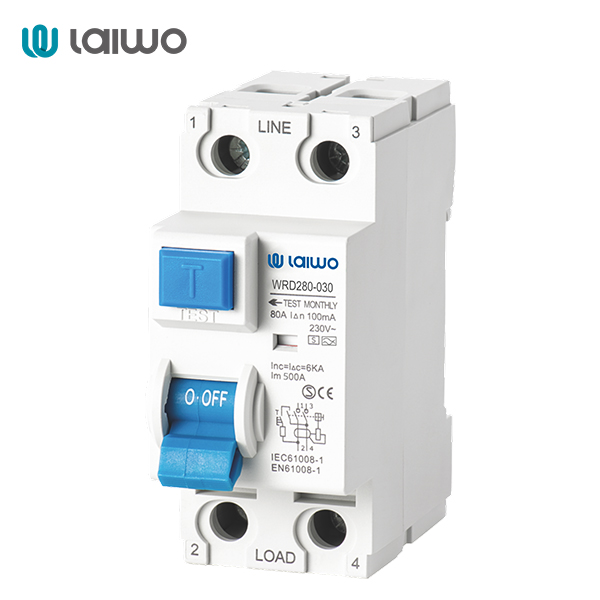
On the job:
In an era where electrical safety regulations are stricter than ever, the WRD series of Residual Current Circuit Breakers (RCCBs) is indispensable. These devices are designed to detect earth leakage currents and disconnect the supply to protect against electric shock. They are a "must-have" for compliance in high-risk zones such as bathrooms, kitchens, and outdoor feeds. Electricians frequently use these when upgrading older 17th Edition boards to meet current 18th Edition (or newer) standards.
Field benefit:
The WRD series offers rated residual operating currents typically ranging from 10 mA to 500 mA, with 30 mA being the standard for personal protection. The instantaneous tripping mechanism is highly sensitive, providing critical protection against direct and indirect contact. The ability to handle Type A (pulsating DC) and Type AC (AC only) ensures compatibility with modern electronics and appliances that may introduce DC components into the supply.
Installation feel:
These units are "DIN-rail ready" and typically occupy two module spaces for a single-phase unit. The screw/clamp terminals are robust, allowing for high torque without shearing the screw head—a common frustration with cheaper alternatives. The layout usually provides clear visual indication of the contact position (red for ON, green for OFF), which is a vital safety feature during isolation procedures.
Real installer note:
Commissioning RCDs can be tedious if the device is prone to mechanical sticking. The WRD series is praised for its endurance and the clarity of its labelling. When an electrician is facing a board with multiple RCDs, clear diagrams on the front face reduce wiring errors and speed up the testing process.
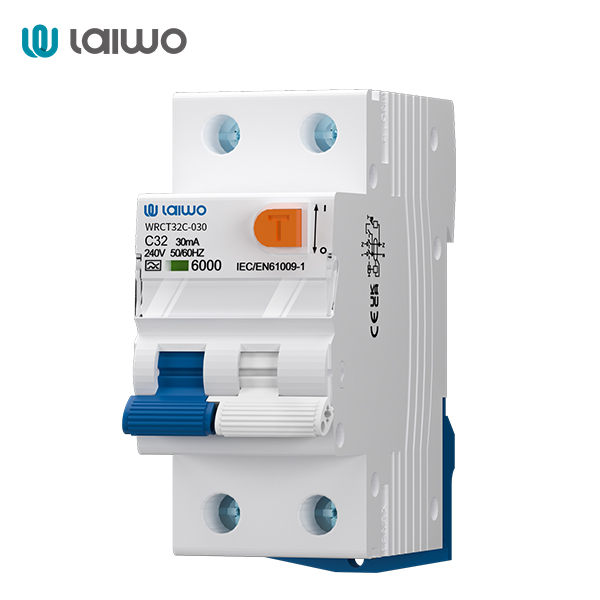
On the job:
The Residual Current Breaker with Overcurrent protection (RCBO) is the gold standard for modern circuit protection, combining the functions of an MCB and an RCD in one device. The WRCT Double Pole RCBO is particularly favoured because it switches both Live and Neutral. Electricians prefer RCBOs in modern consumer units (especially in "All RCBO" board configurations) because they limit nuisance tripping to a single circuit rather than knocking out a whole bank of breakers.
Field benefit:
The compact design of the WRCT series is a game-changer. Historically, RCBOs were bulky and difficult to fit into standard boards. These modern units are often the same width as a standard single-pole MCB, allowing electricians to populate boards conservatively without losing protective coverage. The bidirectional installation capability (line/load reversibility) offers flexibility in wiring, which is helpful in non-standard panel layouts.
Installation feel:
Wiring an RCBO can sometimes be messy due to the functional earth fly-leads. However, the WRCT series typically features installer-friendly terminal layouts that separate the functional earth clearly, supporting tidy wiring. The terminal capacity is generous, making it easier to troubleshoot or add circuits later without wrestling with overcrowded cages.
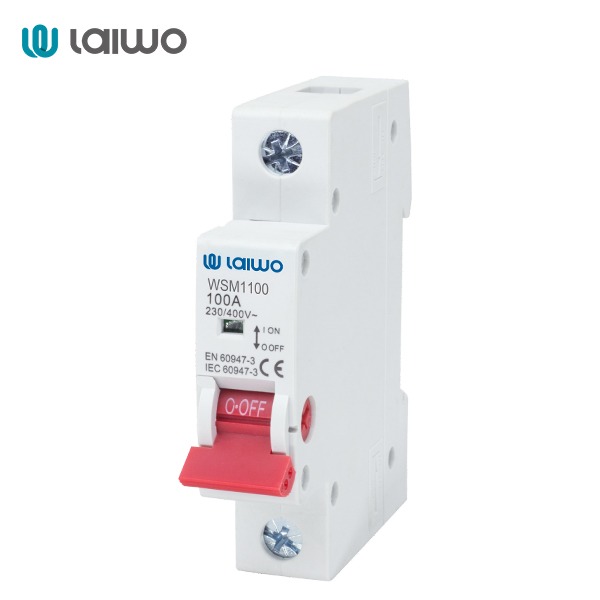
On the job:
While not a "breaker" in the sense of providing overcurrent protection, the Main Switch Disconnector is the gateway to the distribution board. The WSM-125 is the first line of defense and control. Electricians need a robust, clearly accessible isolator at the top of every panel or board to ensure the entire installation can be de-energised safely.
Field benefit:
This switch is designed to handle heavy loads, often rated up to 100A or 125A. Its high electrical and mechanical life ensures that it can withstand the rigours of frequent switching if necessary. Crucially, it complies with BS EN 60947-3, giving professionals the confidence that it will safely isolate the supply under load conditions if required (though isolation is usually done off-load where possible).
Installation feel:
The tactile action of the WSM-125 is distinct—a heavy, decisive "thunk" that leaves no ambiguity about the switch state. The toggle is often lockable, which is a critical feature for Safe Isolation procedures (Lock Out, Tag Out). The robust gating around the terminals prevents accidental finger contact, reducing safety risks during the commissioning phase.
On the job:
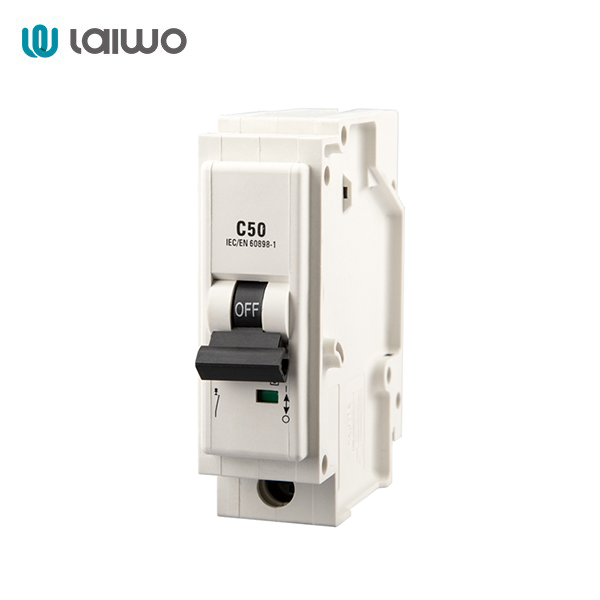
In certain commercial and industrial environments, speed of replacement is paramount. The WCP Plug-In style breakers are designed for specific panelboards where downtime must be minimised. These are favourites among maintenance electricians who need to swap out a faulty breaker or upgrade a circuit rating in seconds rather than minutes.
Field benefit:
The primary benefit is the "hot swap" capability (safety protocols permitting) or simply the speed of change. There are no screws to undo on the busbar side; the breaker simply clips into a pre-wired base or busbar stack. This modularity allows for rapid expansion of a system without significant redesign or downtime.
Installation feel:
The smooth plug-in action eliminates the variable of torque settings on the busbar connection, removing a potential point of failure (loose connections). Standard contact spacing helps electricians avoid common termination mistakes, as the alignment is handled by the mechanical design of the plug-in base.
Learn More: Top 5 Distribution Boards Electricians Prefer in 2025
Even the best electricians can struggle if the materials are sub-par. Understanding the common pitfalls of installation highlights exactly why the choice of breaker is so important. Real onsite issues can turn a profitable day into a loss.
Incorrect Cable Sizing & Breaking Capacity Mis-Match:
One of the most dangerous errors is selecting breakers with inadequate breaking capacity. If a breaker is rated for 6kA but installed in a commercial facility with a potential fault current of 10kA, it may explode or fuse shut during a short circuit. Electricians avoid this by choosing versatile, high-rated breakers (like the WCB series) that cover a broader range of fault levels, providing a safety buffer.
Poor Busbar/Neutral Layout:
Cheap or poorly designed breakers often have terminal heights that don't align perfectly with standard busbars. This forces the electrician to bend copper links or strain cables to make connections. If the breaker doesn’t align cleanly with the board’s neutral and earth bars, electricians end up spending extra time re-routing conductors, leading to a messy "bird's nest" that is hard to certify.
Tight Panels & Hard-to-Reach DIN Rails:
Modern consumer units are getting smaller while the amount of cabling increases. Crowded boards make it incredibly difficult to get a screwdriver onto a terminal to apply the correct torque. This leads to loose terminations, which create hot spots and eventually fire risks. Compact breakers with accessible, angled terminal screws are the solution professionals look for.
Environmental and Temperature Considerations:
Breakers are thermal devices; their tripping characteristics change with heat. Installing a standard residential breaker in a hot industrial plant room can lead to premature tripping (derating). Professionals need products with specified operating temperature ranges to ensure they don't have to return to site to explain why the power keeps cutting out on a sunny day.
For an electrical contractor, a "callback" is a dirty word. It involves returning to a finished job to fix a problem, usually for free. Choosing high-quality breakers is one of the most effective insurance policies against this.
Fewer Mis-Tripping Events:
High-quality breakers have precise tripping curves. They distinguish accurately between a temporary inrush current (like a motor starting) and a genuine fault. Properly matched breakers avoid false trips, saving the client frustration and the electrician an emergency call-out on a Friday evening.
Standardised Components Across Sites:
Using a consistent family of breakers (like the WCB or WRD series) across multiple jobs simplifies inventory. It means the electrician always has the right spare part in the van. It also simplifies maintenance for facilities teams, who don't have to learn the idiosyncrasies of ten different brands.
Better Labelling & Clear Ratings:
Breakers that retain their legibility over time reduce confusion for future servicing electricians. If a breaker’s rating rubs off, the next person to work on the board has to guess, which is a safety hazard. Quality printing and dedicated label holders on breakers are small details that have a huge impact on long-term serviceability.
As we look toward 2025, the electrical landscape is defined by a need for higher safety, greater efficiency, and smarter energy management. The circuit breaker, while a traditional component, is evolving to meet these needs. For the professional electrician, the takeaway is clear: the practical experience of installation matters just as much as the technical specification.
When selecting your protection devices for the coming year, look beyond the price tag. Consider the "total installed cost"—which includes your time, the ease of wiring, the reliability of the components, and the likelihood of callbacks. Products like the WCB MCB and WRCT RCBO are preferred not because they are fancy, but because they solve real-world problems in the distribution board. They offer the compact layout, robust terminals, and correct ratings that make an electrician's life easier.
We encourage all electrical contractors to document their field experiences. Note which brands snap cleanly onto the rail and which ones fight you. Note which terminals strip easily and which ones hold firm. By refining your breaker selection policies based on this hands-on data, you build a reputation for reliability and safety that will serve as your greatest business asset in 2025 and beyond.