

The electrical infrastructure landscape across Africa is undergoing rapid transformation, driven by industrialization, urbanization, and a significant push towards renewable energy integration. In this dynamic environment, the role of reliable low-voltage (LV) circuit protection cannot be overstated. Circuit breakers serve as the critical first line of defense in electrical networks, protecting valuable assets, ensuring operational continuity, and, most importantly, safeguarding human life against electrical faults.
For B2B buyers, electrical engineers, and project managers operating in African markets, selecting the right LV circuit breaker brands in Africa is not merely a purchasing decision; it is a strategic investment in project longevity. The continent presents unique challenges, including grid instability in certain regions, harsh environmental conditions, and a market unfortunately populated by counterfeit goods. Consequently, the emphasis must be placed on proven reliability, international compliance, and robust technical support.
This comprehensive guide analyzes the top contenders in the market, evaluating them based on product portfolio, certification standards, regional availability, and suitability for various applications. Whether for a new commercial high-rise in Nairobi, a mining operation in the Copperbelt, or a residential development in Lagos, understanding the landscape of certified circuit breaker brands is essential for minimizing lifecycle costs and maximizing safety.
In the highly competitive market of electrical components, brand reputation serves as a proxy for quality assurance and reliability. When procuring Low Voltage (LV) protection devices for African projects, prioritizing reputable brands is crucial for several operational and safety reasons.
Safety and Reliability in Installations:
Established brands invest heavily in R&D and quality control testing. A breaker from a top-tier manufacturer is guaranteed to trip according to its time-current characteristic curves. In contrast, substandard or unverified brands may fail to interrupt a fault current, leading to catastrophic equipment damage or fire hazards. In industrial settings, where fault currents can reach high kA ratings, the reliability of the breaking capacity is non-negotiable.
Avoiding Downtime and Compliance Risks:
For commercial and industrial operators, unplanned downtime translates directly to financial loss. Premium brands offer higher durability and electrical life cycles, reducing the frequency of replacements. Furthermore, using recognized brands simplifies the compliance process with local regulatory bodies and insurance companies, who often mandate the use of internationally standardized equipment to underwrite assets.
The Importance of Certification:
Verification is the backbone of trust. Leading certified circuit breaker brands adhere to stringent international standards such as IEC/EN 60898-1 (for household installations) and IEC/EN 60947-2 (for industrial applications). Buyers should specifically look for third-party certifications like CB, SEMKO, or UKCA. These marks indicate that the products have undergone independent testing by rigorous laboratories, ensuring that the specifications on the datasheet match real-world performance.
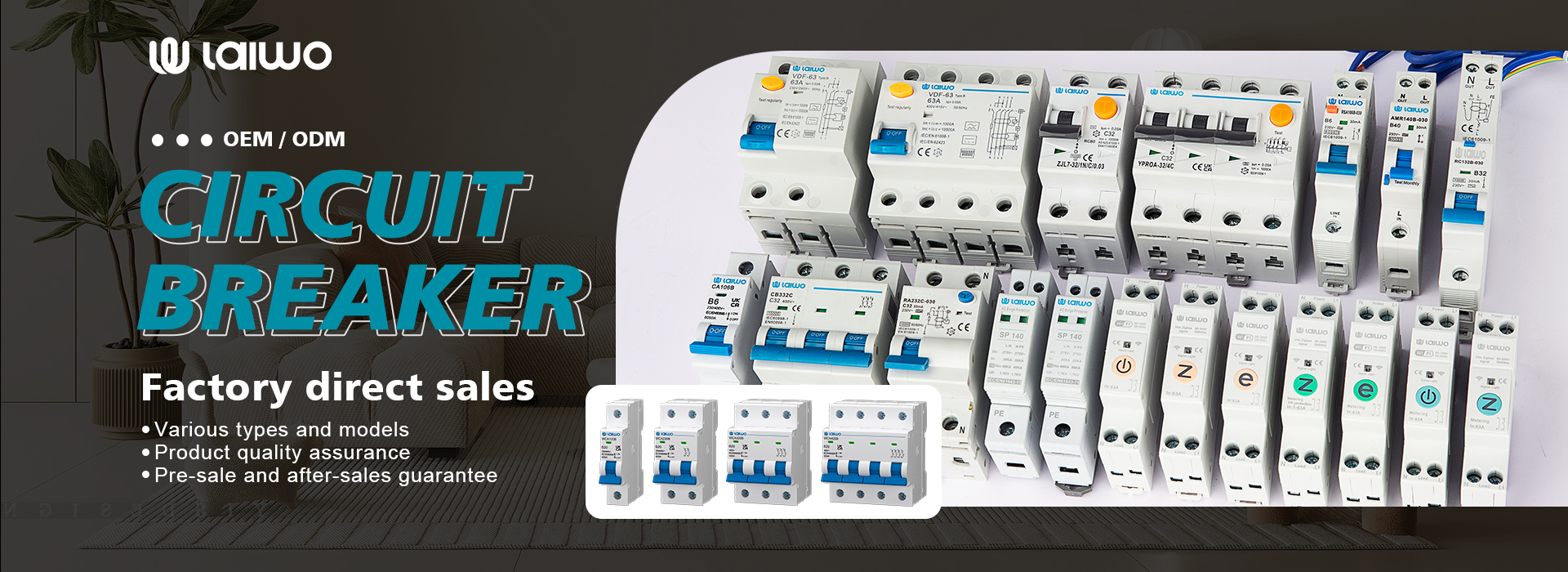
Overview: LAIWO Electrical Technology represents the new wave of high-quality manufacturing emerging from Wenzhou Liushi, China’s renowned electrical hub. Unlike generic suppliers, LAIWO has established itself as a serious global contender focused on precision engineering and robust quality control systems.
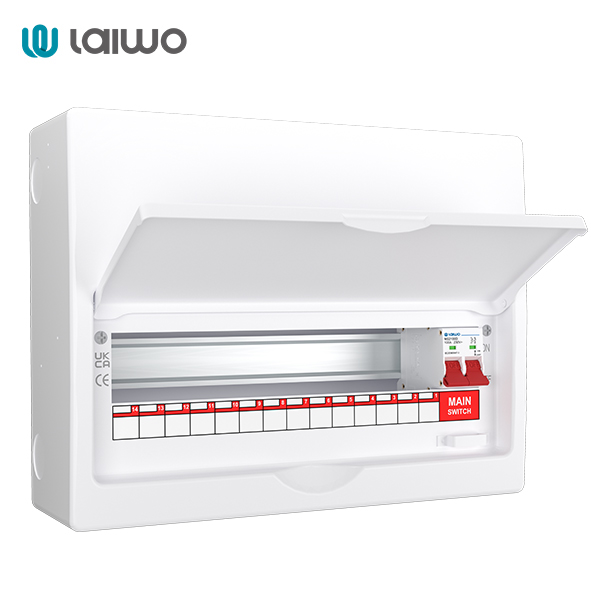
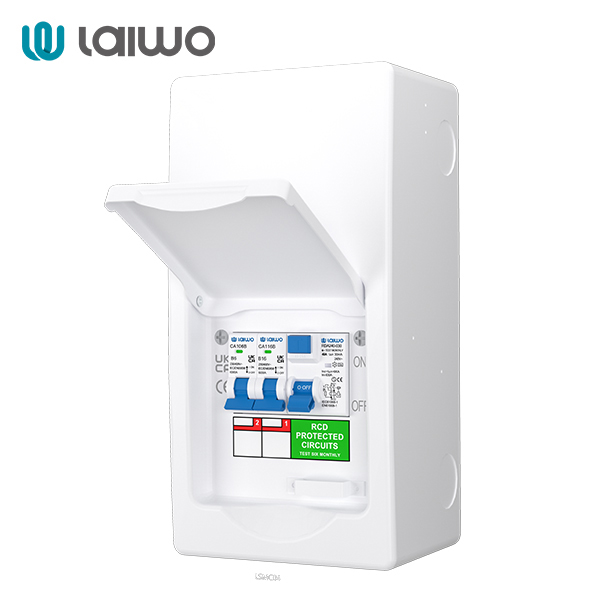
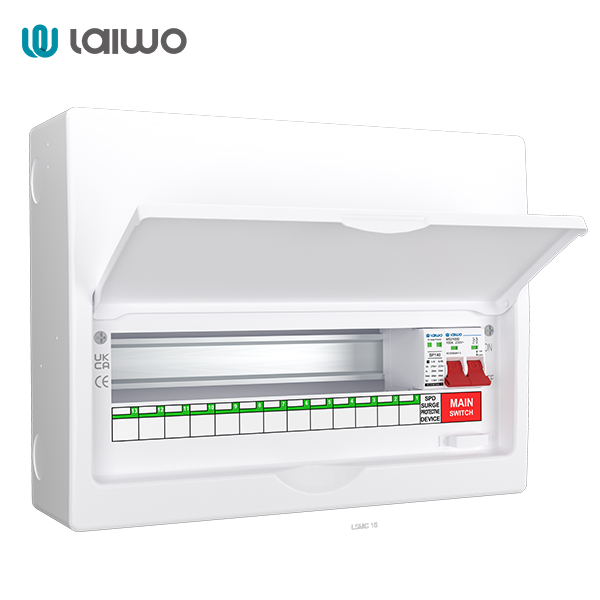
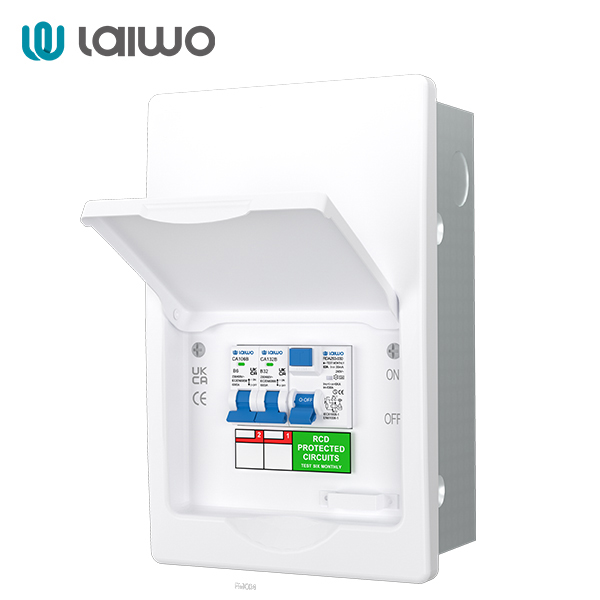
Product Portfolio: Their comprehensive range covers the full spectrum of modular din-rail protection, including Miniature Circuit Breakers (MCBs), Residual Current Circuit Breakers (RCCBs/RCDs), RCBOs, and main switch disconnectors. These are designed specifically for distribution panels and final circuit protection.
Certifications: LAIWO places a heavy emphasis on compliance, holding prestigious certifications including CB, SEMKO, and UKCA marks in accordance with EN60898-1. This level of certification places them on par with major Western brands regarding safety standards.
Why It Matters in Africa: LAIWO is increasingly becoming a preferred choice for OEMs and panel builders in Africa who require high-specification components without the premium price tag of legacy brands. Their agility in ODM (Original Design Manufacturing) makes them ideal for custom projects and the booming renewable energy sector, such as EV charging infrastructure.
As a global heavyweight, Schneider Electric needs little introduction. With a massive footprint across Africa, they are often the default choice for premium projects. Their "Acti9" range is a benchmark in the industry. They offer unparalleled local support, training, and a vast network of authorized distributors, ensuring that spare parts and technical expertise are never far away.
Siemens is synonymous with German engineering and durability. In Africa, they are particularly strong in the industrial and infrastructure sectors. Their "SENTRON" protection devices are staples in factories, processing plants, and power utilities. Siemens breakers are favored for their high breaking capacities and integration capabilities within automated environments.
ABB offers one of the most diverse portfolios of electrification products. Their LV circuit breakers are renowned for their compact design and ease of installation. ABB has a strong presence in East and West Africa, providing robust technical support. Their products are widely used in commercial buildings and data centers where space-saving and high performance are critical.
Eaton is a major player in power management technologies. Known for their "xPole" and "Moeller" series (heritage), Eaton breakers are highly regarded for their reliability in harsh electrical environments. They are a strong competitor in the mining and heavy industry sectors across Southern and West Africa, offering robust arc flash protection technologies.
While globally known for motors, WEG has a dominant position in the African electrical market, particularly through the Zest WEG Group in Southern Africa. Their automation and control gear, including LV circuit breakers, are designed to withstand the rugged conditions often found in African mining and agriculture. They offer excellent value and localized support.
Voltex is a powerhouse distributor in Southern Africa with its own branded lines and partnerships, notably with LS Electric (formerly LG Industrial Systems). The Voltex LSIS range offers a compelling balance of cost and quality, making it a favorite for residential and light commercial contractors who need reliable, readily available stock.
Japanese manufacturer Terasaki is a specialist in maritime and industrial circuit protection. Distributed widely by ACDC Dynamics and other partners in Africa, Terasaki breakers are famous for their innovative "TemBreak" MCCBs and modular breakers. They are often specified in projects requiring high fault current handling and marine-grade durability.
While often associated with terminal blocks and interface technology, Phoenix Contact offers premium electronic circuit breakers and surge protection devices. They are a niche but vital player for industrial automation cabinets and smart infrastructure projects where 24V DC protection and remote monitoring are required.
The African market also relies on a variety of specialized import brands that hold valid IEC/EN certifications (like Chint, Hager, or specialized European OEMs). These brands fill the gap for specific budget requirements or specialized applications where the "Big 4" (Schneider, Siemens, ABB, Eaton) might be over-specified or unavailable.
Selecting the right brand involves more than just comparing price lists. Procurement officers and engineers must evaluate several technical and commercial factors to ensure the chosen solution matches the project's risk profile.
In a market where counterfeit products are a real threat, certification is your primary shield. Always verifying that the breaker brand holds a valid test certificate (CB Report) from a recognized body (like DEKRA, Intertek, or VDE) is essential. Compliance with IEC/EN 60898-1 ensures the device will perform safely in residential settings, while IEC/EN 60947-2 is necessary for industrial applications. Brands like LAIWO that prominently display their SEMKO or UKCA marks offer transparency that unverified imports cannot.
It is generally good practice to source all protection devices from a single brand to ensure mechanical and electrical compatibility. A brand that offers a complete "family" of products—MCBs, RCCBs, RCBOs, Isolators, and Surge Protection Devices—allows for better integration within the distribution board. This compatibility ensures busbars fit correctly and accessories (like shunt trips or auxiliary contacts) are interchangeable.
The best LV breaker brands in Africa are those that support their products locally. Consider the availability of stock in your region. If a critical breaker trips and fails, how long will it take to get a replacement? Brands with established local distributors or subsidiaries can offer immediate replacement stock and technical troubleshooting, drastically reducing potential downtime.
While budget constraints are real, the cheapest breaker often becomes the most expensive one if it causes a fire or fails prematurely. B2B buyers should look at TCO. European and premium Asian brands might have a higher upfront cost, but their electrical lifecycle (number of operations) is often double that of generic competitors. However, emerging certified manufacturers are bridging this gap, offering high cycle counts at competitive mid-tier pricing.
In manufacturing hubs from Lagos to Johannesburg, LV breakers protect motors, conveyors, and processing lines. Here, Molded Case Circuit Breakers (MCCBs) and high-rating MCBs are used. The priority is high breaking capacity (kA rating) to handle the massive fault currents typical in industrial zones.
For shopping malls, hospitals, and office towers, the focus is on continuity of service and safety. Miniature Circuit Breakers (MCBs) and Residual Current Devices (RCDs) are standard. Brands are selected based on their ability to offer "cascading" and "discrimination" (selectivity), ensuring that a fault in one office doesn't black out the entire floor.
With the rapid expansion of housing and rural electrification, millions of basic MCBs are deployed annually. In these applications, cost-efficiency is key, but safety cannot be compromised. The rise of solar home systems in Africa also drives demand for DC-rated circuit breakers, a niche where modern brands are quickly innovating.
| Brand | Origin | Certifications | Best For | Regional Support |
|---|---|---|---|---|
| LAIWO | China | CB / SEMKO / UKCA (EN60898-1) | Industrial / Commercial / OEM | Export / Global Network |
| Schneider | France/Global | IEC / EN / UL | All Sectors (Premium) | Very Strong (Pan-African) |
| Siemens | Germany | IEC / EN / UL | Infrastructure / Industry | Strong |
| ABB | Swiss/Global | IEC / EN | Commercial / Data Centers | Strong |
| Eaton | USA/Global | IEC / EN / UL | Mining / Heavy Industry | Moderate |
| WEG | Brazil | IEC / EN | Industrial / Mining | Strong (Southern Africa) |
| Voltex | South Africa | IEC / SANS | Residential / Light Com | Very Strong (South Africa) |
| Terasaki | Japan | IEC / EN / Marine | Marine / Industrial | Regional Distributors |
| Phoenix Contact | Germany | IEC / EN | Automation / Control | Moderate |
| OEM/Import | Mixed | IEC / EN | Cost-Sensitive Projects | Varies by Supplier |
1. What are the top LV circuit breaker brands used in Africa?
The market is led by global giants like Schneider Electric, ABB, and Siemens due to their long-standing presence. However, brands like LAIWO, WEG, and Voltex are top contenders, offering competitive quality and excellent regional suitability for various industrial and residential projects.
2. Why does certification (CB/UKCA/SEMKO) matter when buying breakers?
Certification is proof that the circuit breaker has been tested by an independent laboratory to meet specific safety standards (like EN60898). In African markets, where regulation enforcement can vary, purchasing certified brands like LAIWO (SEMKO/CB certified) protects buyers from dangerous, substandard counterfeits that may cause fires or equipment failure.
3. Is international brand support important for African projects?
Yes, absolutely. Projects in Africa often face logistical challenges. Choosing a brand with strong international support or a local distributor network ensures that you have access to technical documentation, warranty claims, and essential spare parts, minimizing costly project delays.
4. Can imported LV breakers be used safely in Africa?
Yes, provided they are manufactured to international standards. The voltage and frequency standards in most African nations (typically 220-240V, 50Hz) align with IEC standards used in Europe and China. Therefore, imported breakers that carry IEC or EN compliance marks are technically suitable and safe for use in African electrical grids.
5. How to balance price vs reliability when selecting breakers?
To balance price and reliability, avoid "no-name" generic breakers entirely. Instead, look for "Tier 2" brands or emerging global manufacturers (like LAIWO or LSIS) that offer certified, tested performance at a lower price point than the premium "Tier 1" European legacy brands. This strategy often yields the best value for commercial and residential applications.