Next: Why Should Surge Protection Devices Be Installed in Distribution Boards?



Fuses are essential protection devices in virtually all modern electrical systems, guarding against the catastrophic consequences of overcurrents and short circuits. However, without a proper mounting solution, a fuse cannot function safely, reliably, or effectively. This is precisely where the fuse holder comes into play.
A fuse holder is not merely a passive mechanical accessory. It plays a critical role in securing the fuse, ensuring safe and consistent electrical contact, and simplifying both initial installation and ongoing maintenance. In commercial and industrial environments, the integrity of an electrical panel relies heavily on the quality of its components.
Whether you are outfitting distribution boards, designing complex solar photovoltaic (PV) systems, or assembling heavy-duty industrial control panels, choosing the right fuse holder directly affects system safety, long-term reliability, and overall ease of maintenance. This comprehensive guide will explore what fuse holders are, how they function, the various types available on the market, proper installation techniques, and how B2B buyers can select the optimal components for their projects.
1. What Is a Fuse Holder and What Is It Used For?
2. Key Functions of a Fuse Holder
4. How Fuse Holders Work in Electrical Circuits
5. How to Install a Fuse Holder Correctly
6. Common Installation Mistakes Electricians Should Avoid
7. How to Choose the Right Fuse Holder
8. Why High-Quality Fuse Holders Matter for B2B Buyers
9. Frequently Asked Questions (FAQ)
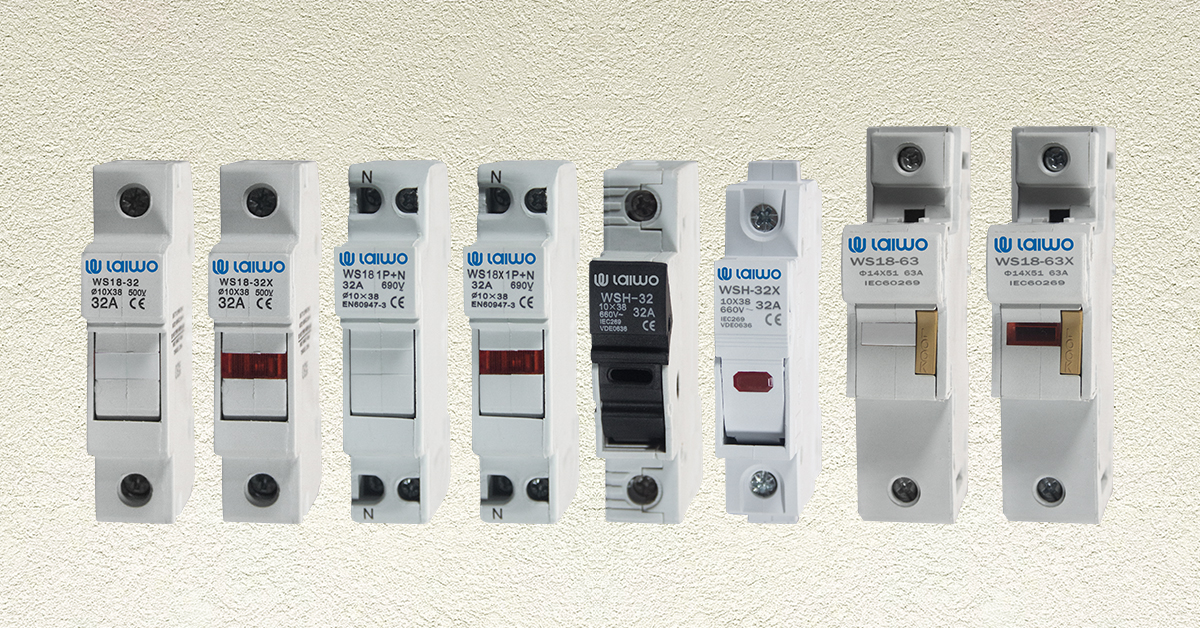
A fuse holder is an electromechanical device specifically designed to integrate a fuse into an electrical circuit. Its primary responsibilities are to hold a fuse securely in place, connect the fuse seamlessly to the electrical circuit via terminal conductors, and allow for the safe, efficient replacement of the fuse when it has operated (blown) due to a fault.
By providing a stable enclosure, the fuse holder ensures that the fuse can operate strictly according to its engineered specifications under both normal load conditions and severe fault conditions.
In theory, one could physically wire a fuse directly into a circuit by soldering or clamping wires to its ends. In professional practice, however, doing so is highly unsafe and strictly violates electrical codes. Without a dedicated fuse holder, electrical contact becomes inherently unstable, leading to heightened resistance and dangerous heat accumulation. Furthermore, direct installation renders the circuit unsafe to handle and makes replacing a blown fuse a difficult, time-consuming, and potentially hazardous task.
Professional Insight: A fuse holder provides both the mechanical support necessary to withstand physical vibrations and the secure electrical connection required to handle high currents without voltage drops.
Fuse holders are ubiquitous in the electrical industry. They are fundamental components in distribution boards serving residential and commercial buildings, control panels operating heavy machinery, and advanced solar PV systems managing high DC voltages. Additionally, they are heavily utilized in battery storage systems, automotive applications, and industrial manufacturing equipment where precision circuit protection is non-negotiable.
The true value of a fuse holder extends far beyond simple mounting. It serves several critical functions that protect both the electrical system and the technicians working on it.
Electrical environments, particularly in industrial settings, are often subject to mechanical shock and vibration. A high-quality fuse holder prevents loose connections by utilizing robust spring-loaded contacts or secure screw terminals. This ensures consistent electrical contact over the system's lifespan, preventing micro-arcing and localized heating that could otherwise degrade the circuit.
When a fault occurs and a fuse clears the circuit, it must be replaced. A well-designed fuse holder allows for quick removal and replacement of the blown fuse, significantly reducing system downtime. More importantly, it reduces the risk of electric shock for maintenance personnel, as many modern holders feature touch-safe designs that shield the user from live electrical contacts.
Fuse holders are constructed from advanced thermoplastic or thermosetting materials that offer high dielectric strength. This provides critical electrical insulation, isolating live conductive parts from the external environment and adjacent components. By enclosing the fuse, the holder dramatically reduces the risk of accidental contact and short circuits within densely packed distribution boards.
Fuses operate by melting a internal element, a process that inherently generates significant heat. In the event of a massive short circuit, arcing can occur. Premium fuse holders are designed to withstand extremely high temperatures without melting or deforming. They also play a supplementary role in containing the arc generated during fuse operation, preventing it from spreading to other flammable components within the panel.
Because electrical applications vary wildly in voltage, current, and environmental conditions, manufacturers produce a wide variety of fuse holder designs. Understanding these types is vital for procurement teams and system engineers.
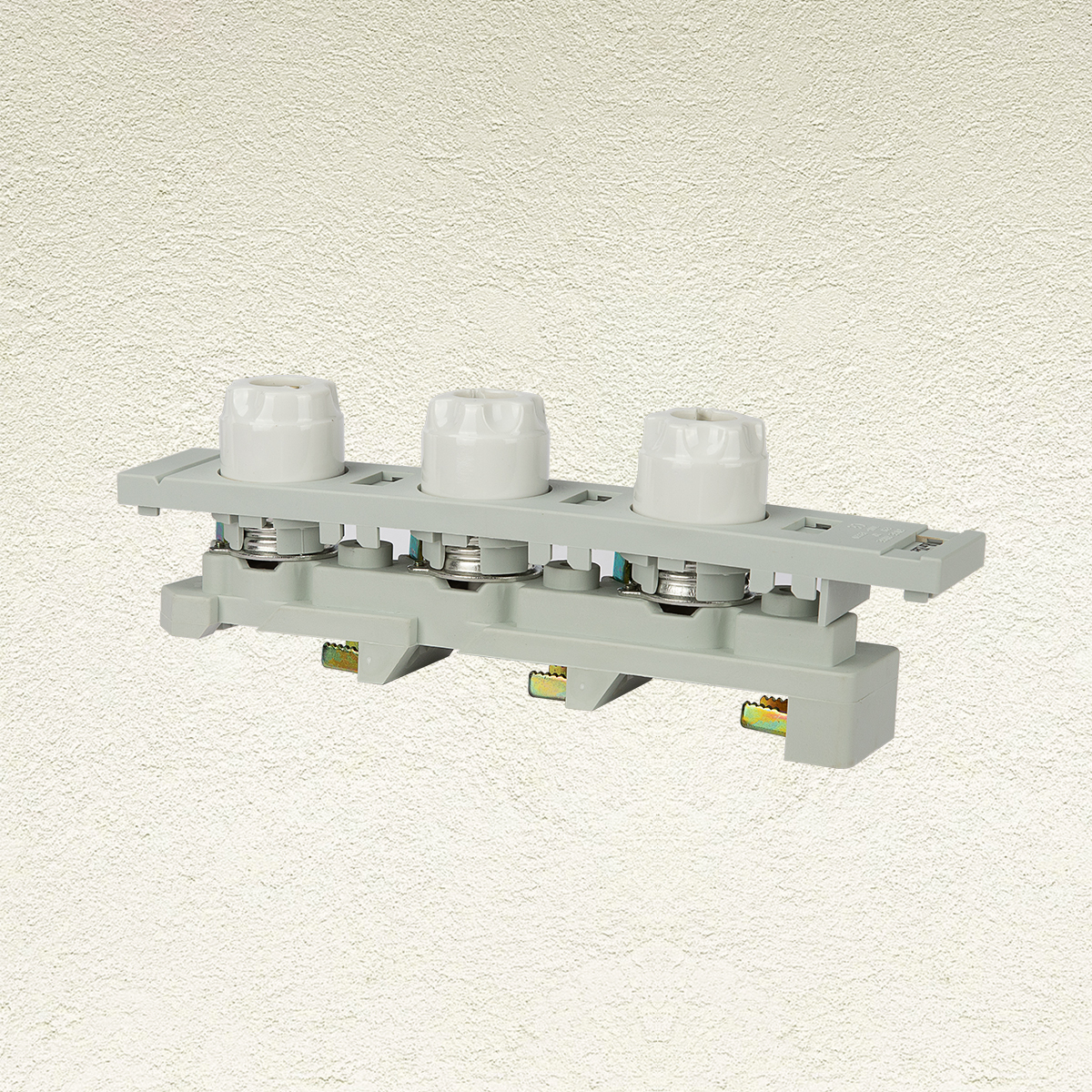
DIN rail fuse holders are among the most popular in the automation and control industry. They are designed to snap securely onto standard 35mm DIN rails. These holders are widely used in modern distribution boards and control panels because they are exceptionally easy to install, align perfectly with other modular components like circuit breakers, and facilitate rapid maintenance.
Panel mount fuse holders are engineered to be installed directly onto the surface or through a cutout of a control panel enclosure. They typically feature a cap that can be unscrewed from the front of the panel, allowing operators to check or replace the fuse without opening the entire electrical cabinet. This type is highly suitable for industrial equipment and heavy-duty machinery.
Designed specifically for cylindrical (tube-shaped) fuses, cartridge fuse holders are incredibly common in both residential and commercial electrical systems. They come in various sizes (such as 10x38mm, 14x51mm, or 22x58mm) to accommodate different amperage ratings and can be found in inline, panel-mount, and block configurations.
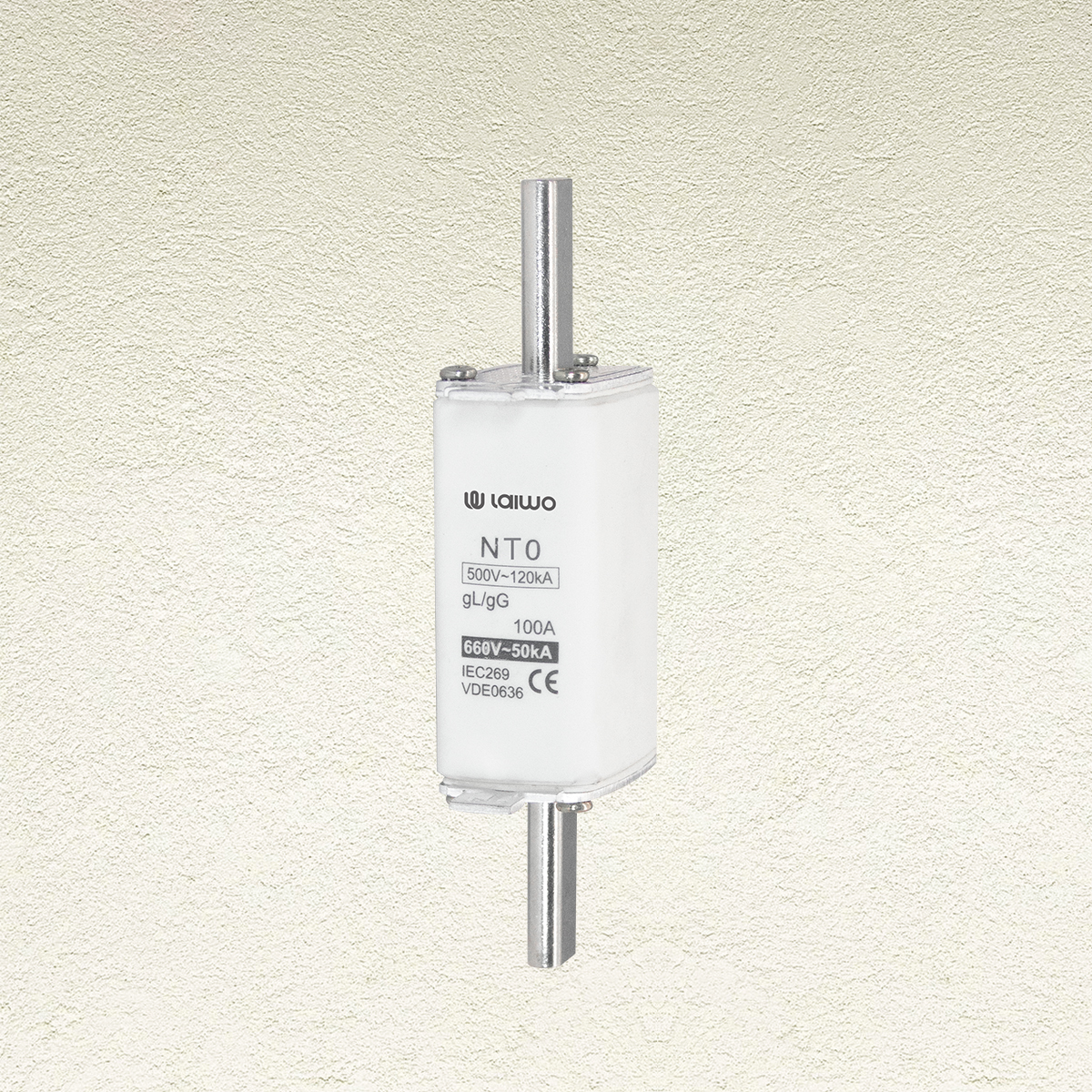
NH fuse holders (also known as blade-contact or knife-blade fuse bases) are heavy-duty components utilized for high-current industrial applications. They are designed to support NH fuse links, which can handle hundreds of amperes. These bases are extremely robust, often featuring large ceramic or heavy plastic bodies and massive copper contacts to handle massive electrical loads.
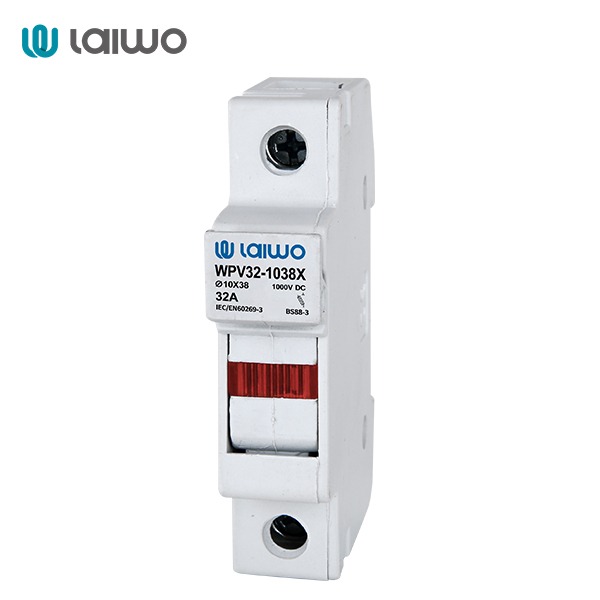
With the rapid expansion of renewable energy, PV fuse holders have become a critical category. Designed specifically for Direct Current (DC) applications, these holders are used extensively in solar combiner boxes. They are engineered to handle high DC voltages (typically 1000V DC to 1500V DC) and manage the unique arcing characteristics associated with breaking direct current.
| Fuse Holder Type | Typical Application | Key Advantages |
|---|---|---|
| DIN Rail | Distribution boards, automation panels | Quick snap-on installation, highly modular |
| Panel Mount | Industrial machinery, control enclosures | Front-panel access without opening cabinets |
| Cartridge | General commercial and residential systems | Versatile sizes, excellent general-purpose use |
| NH Base | Heavy industrial, main power distribution | Handles massive currents, extremely durable |
| PV (Solar) | Solar combiner boxes, inverter systems | High DC voltage rating, excellent arc management |
At its core, the fuse holder acts as a secure bridge. It connects the incoming conductor (from the power source) to one end of the fuse element, and the outgoing conductor (to the load) to the other end. This configuration creates a complete, uninterrupted current path during normal operation, allowing electricity to flow smoothly with minimal resistance.
When an overcurrent or short-circuit fault occurs, the current spikes dramatically. The fuse element inside the holder rapidly heats up and melts, interrupting the circuit. During this violent electrical event, the fuse holder ensures that the physical disconnection happens safely. It holds the fuse body intact, prevents the expulsion of hot gases or sparks, and ensures the resulting electrical arc is contained within the rated specifications.
In complex B2B electrical systems, fuse holders help integrate fuses seamlessly with other protective devices such as circuit breakers, surge protectors, and isolation switches. Proper sizing and selection of the fuse holder ensure that the system achieves proper selectivity—meaning that only the fuse closest to the fault blows, leaving the rest of the facility powered.
Proper installation is paramount. Even the highest quality fuse holder will fail if installed incorrectly. Electricians and panel builders should follow a rigorous, standardized procedure.
Always install the fuse holder inside a rated distribution board, junction box, or appropriate enclosure. Ensure there is proper ventilation and sufficient clearance around the holder to allow for heat dissipation, as fuses naturally generate heat while operating near their rated current.
Depending on the type, snap the holder firmly onto the DIN rail or secure it through the panel cutout using the provided mounting hardware. Ensure the installation is rigid; any physical movement could lead to stress on the incoming and outgoing wires over time.
Strip the conductors to the manufacturer-specified length. Insert the wires into the holder's terminals and tighten them securely to the recommended torque settings using a calibrated torque screwdriver. Using the correct cable size is crucial to prevent overheating at the terminal junctions.
Never bypass this step. Verify that the fuse matches the required current rating (Amps) and voltage rating (Volts) for the circuit. Inserting a 500V rated fuse into a 1000V PV fuse holder is a catastrophic safety violation.
Before energizing the main circuit, perform a continuity check with a multimeter to ensure the connections are solid. Visually inspect all terminals to ensure no stray wire strands are protruding, which could cause a short circuit to adjacent components.
Faulty installations account for a large percentage of electrical panel failures. Avoiding these common pitfalls ensures system longevity and safety.
A frequent error is forcing a physical mismatch between the fuse and the holder. Even if a fuse can be jammed into a holder, incorrect dimensions lead to poor contact surface area. This inevitably results in severe overheating, melting the plastic housing, and potentially causing panel fires.
Failing to torque the terminal screws adequately causes high contact resistance. As current flows through this high-resistance connection, tremendous heat builds up over time. This thermal stress degrades the wire insulation and the fuse holder body, ultimately leading to catastrophic failure.
Applying an AC-rated fuse holder in a high-voltage DC system (such as solar PV) is extremely dangerous. DC arcs are much harder to extinguish than AC arcs. If a fault occurs, an improperly rated holder may fail to contain the arc, leading to explosive damage.
Cramming fuse holders into tight, inaccessible corners of a distribution board makes future maintenance hazardous. Electricians may struggle to access the holder, leading to unsafe replacement conditions where the risk of contacting nearby live components is greatly increased.
For procurement teams, EPC contractors, and system designers, selecting the appropriate fuse holder is a strategic decision governed by technical parameters and environmental conditions.
First and foremost, the holder must perfectly match the form factor of the required fuse. Determine whether the application calls for a cartridge fuse, an NH blade fuse, or a specialized PV fuse, and select the corresponding base.
Ensure that the holder’s maximum rated voltage and current comfortably exceed the normal operating parameters of the system. Additionally, the holder must be rated to withstand the maximum potential short-circuit fault current that the network can deliver without shattering.
Assess whether the installation is indoor or outdoor. High-temperature environments may require holders made from specialized thermoset plastics or ceramics. Furthermore, if the enclosure is exposed to dust or moisture, pay close attention to the IP (Ingress Protection) rating of the panel and component.
Choose between DIN rail, panel mount, or base-plate mounting based strictly on the mechanical design of your control panel. DIN rail is generally preferred for its speed and modularity in standard enclosures.
In the B2B sector, non-compliant components are a massive liability. Always look for fuse holders that adhere to strict international standards such as IEC 60269 or UL 4248. Proper safety certifications guarantee that the product has been rigorously tested for thermal stability and arc containment.
Procurement decisions often balance upfront costs against long-term value. While generic fuse holders may offer minor immediate savings, premium components deliver massive returns over the lifespan of an electrical installation.
High-quality fuse holders are manufactured using superior conductive materials (such as silver-plated copper) and robust flame-retardant plastics. These better materials drastically reduce internal contact resistance and effectively eliminate the risk of thermal degradation and overheating, ensuring the system runs reliably for decades.
Time is money in panel building. Well-designed holders feature ergonomic terminal blocks, clear labeling, and smooth DIN-rail snapping mechanisms. This saves valuable wiring time, reduces assembly labor costs, and simplifies the overall panel layout for engineering teams.
By preventing nuisance tripping and thermal damage, reliable holders drastically reduce the frequency of component replacement. This minimizes emergency service calls, lowers the total cost of ownership, and protects the end-user's facility from expensive, unplanned production downtime.
Q: Can I use an AC fuse holder for a DC solar system?
A: No. AC and DC circuits behave very differently during a fault. DC arcs do not have a "zero-crossing" point and are much harder to extinguish. You must use a dedicated PV fuse holder rated for specific DC voltages.
Q: How do I know if my fuse holder is bad?
A: Signs of a failing fuse holder include visible melting or discoloration of the plastic housing, a burning electrical smell, loose terminal screws that cannot be tightened, or excessive heat during normal operation.
Q: What is a DIN rail fuse holder?
A: A DIN rail fuse holder is a modular mounting device designed to snap directly onto a standardized 35mm metal rail inside electrical enclosures, making installation and organization highly efficient.
Q: Why is my fuse holder melting but the fuse hasn't blown?
A: This is almost always caused by a loose wire connection at the terminal or poor spring tension inside the holder. The poor contact creates high electrical resistance, generating enough heat to melt the plastic before the current is high enough to actually blow the fuse.
Q: Are panel mount fuse holders waterproof?
A: Not inherently. While some panel mount fuse holders come with rubber O-rings and specific IP ratings (like IP67) for water resistance, standard models are only designed for dry indoor enclosures.
Q: Can a fuse holder affect the performance of the fuse?
A: Absolutely. A low-quality holder with poor electrical contacts will introduce voltage drops and generate localized heat. This elevated ambient temperature can alter the melting curve of the fuse, causing it to blow prematurely below its rated current.
Although they represent a relatively small fraction of an electrical panel's total budget, fuse holders are essential cornerstones of electrical safety. They are indispensable for safe fuse operation, reliable electrical protection against catastrophic faults, and the facilitation of safe, efficient maintenance procedures.
For B2B buyers, distributors, and engineering contractors, treating fuse holders as an afterthought is a costly mistake. Choosing the right fuse holder—ensuring perfect compatibility with the fuse type, voltage, and environmental demands—directly translates into safer systems, better operational performance, and significantly lower long-term maintenance costs.
If you are an EPC contractor, panel builder, or industrial procurement manager looking to source highly reliable, certified fuse holder solutions for your next project, prioritize quality and compliance. Evaluate your specific application requirements today and partner with reputable manufacturers who can provide the technical documentation and durable components necessary to safeguard your electrical infrastructure.